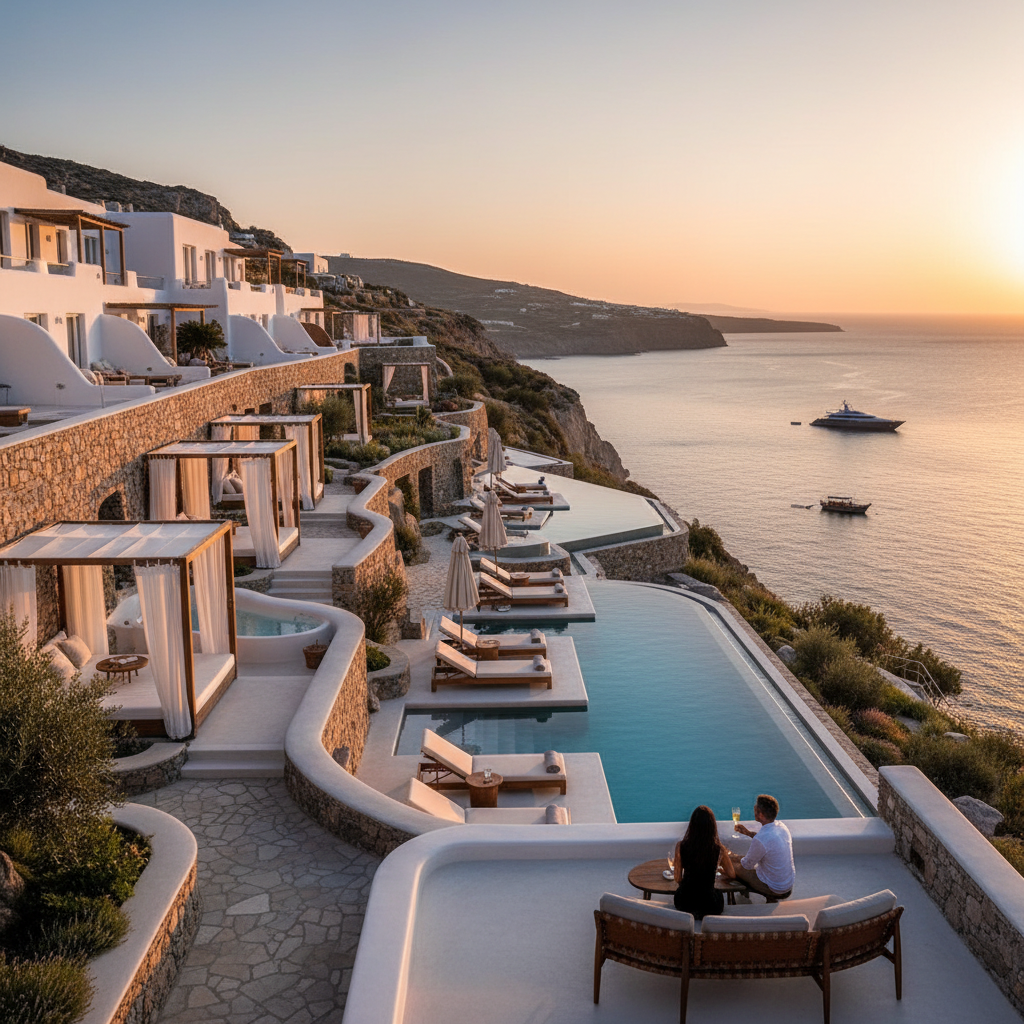
Why Some Luxury Hotels Feel Impersonal and How to Select One That Doesn't
The promise of luxury travel is often an experience of profound comfort, thoughtful service, and an environment that elevates the mundane. Yet, within the realm of purported "luxury," a curious paradox emerges: some hotels, despite their opulent finishes and high price tags, leave guests feeling distinctly uninspired, even cold. This guide explores the subtle yet critical elements that differentiate a truly inviting luxury establishment from one that prioritises lavishness over genuine warmth and discerning design. It offers frameworks for understanding this phenomenon and practical advice for avoiding these potentially sterile experiences.
For the design-conscious traveller, the distinction is particularly crucial. It's not merely about aesthetically pleasing spaces, but about spaces that resonate, that offer a sense of place and a considered guest experience. The feeling of "coldness" in a luxury hotel isn't about temperature; it's about the emotional and experiential disconnect between the guest and the environment.
Understanding the "Cold" Hotel Phenomenon
The impression of a "cold" hotel often stems from a fundamental misunderstanding of luxury itself. True luxury is not just about expensive materials or a high room rate; it is about intentionality, curation, and the harmonious integration of design, service, and local context. When any of these elements are overlooked or executed poorly, the result can be an atmosphere that feels generic, overly corporate, or simply lacking soul.
The Pitfalls of Scale: Mass-Market Luxury
One common source of impersonal luxury is scale. Larger hotel chains, even those operating at the highest tier, sometimes struggle to maintain a bespoke feel. Their operational models are often designed for efficiency across hundreds of properties, leading to:
- •Standardised Design Palettes: While a consistent brand identity can be reassuring, it can also lead to repetitive aesthetics. Interiors might feature the same marble, the same art, the same neutral tones, regardless of location. This can strip a property of its unique character and connection to its surroundings.
- •Procedural Service: Service, while technically proficient, can lack genuine warmth or individual recognition. Staff, though highly trained, might adhere strictly to scripts and protocols, giving interactions a transactional feel rather than an authentic one.
- •Lack of Local Integration: Grand, imposing structures that could exist anywhere in the world and make little effort to incorporate local art, materials, or culinary traditions. The experience becomes insulated, disconnected from the very destination it purports to serve.
The Illusion of Opulence: Gold and Marble Syndrome
Another common misstep is the belief that luxury is solely defined by overt displays of wealth. This often manifests as:
- •Excessive and Uninspired Materials: Think acres of polished marble, vast expanses of highly reflective surfaces, and an abundance of gold or brass accents, all without a coherent design vision. These materials, while costly, can overwhelm and create a visually jarring, rather than calming, environment.
- •Overwrought Decor: Interiors crammed with ornate furnishings, heavy drapes, and an eclectic mix of "luxury items" that lack cohesion or a considered aesthetic. The result is often cluttered, fussy, and devoid of the sophisticated restraint that truly elevates a space.
- •Poor Lighting Design: Often overlooked, lighting is paramount. Harsh, overly bright, or poorly distributed lighting can make even the most expensive room feel uninviting. The absence of layered, dimmable, and thoughtfully positioned lighting contributes significantly to a sterile atmosphere.
The Absence of Narrative: Hotels Without a Story
Truly memorable hotels, regardless of their design style, tell a story. They have a point of view, a personality that permeates every detail. "Cold" hotels often lack this narrative:
- •Generic Art and Furnishings: Artwork that serves as mere filler, mass-produced rather than curated. Furnishings that are comfortable but utterly forgettable, chosen for broad appeal rather than distinctive character.
- •Missing Thoughtful Touches: The absence of small, curated details that demonstrate foresight and care. This could be anything from a perfectly chosen selection of books, locally sourced amenities, or a discreet, well-appointed minibar that reflects regional specialities.
- •A Disconnect from the Senses: A reliance on visual grandeur at the expense of other senses. A truly inviting space considers acoustics, natural light, tactility of materials, and even subtle, pleasant aromas. When these are ignored, the space feels hollow.
How to Select a Hotel That Feels Inviting, Not Impersonal
Avoiding the "cold" luxury hotel requires a more discerning eye and a focus on criteria beyond superficial indicators of luxury. Here are frameworks to guide your selection process:
Prioritise Intentional Design and Curation
Seek properties where design is not an afterthought but a foundational principle, carefully considered and executed from concept to completion.
- •Look for Architectural Integrity: Does the building itself have a distinct character? Is it thoughtfully integrated into its environment? Is the architecture respected, or has it been overtly stylised to fit a corporate template?
- •Evaluate Interior Design Philosophy: Research the designers. Are they known for creating spaces with personality and a sense of place? Look for properties that showcase a clear aesthetic vision, whether it's minimalist, contemporary, eclectic, or heritage-inspired. Design-forward spaces often speak to an understanding of how people move and interact within them.
- •Scrutinise Details and Materials: Look for images that reveal more than just grand gestures. Do the finishes feel authentic? Are there custom furnishings or pieces that suggest an attention to specific artisanal skills? The quality of joinery, textiles, and fixtures often tells a deeper story than a grand chandelier.
- •Consider Scale and Uniqueness: Boutique properties, by their nature, often have an advantage here. They typically have fewer rooms, allowing for more personalised service and greater attention to detail in design. They are less beholden to corporate templates and more likely to express a distinct personality.
Seek Authentic Connection to Place
A truly special hotel acts as a gateway to its destination, not a fortress against it.
- •Local Integration in Design: Does the design incorporate local materials, craftsmanship, art, or cultural motifs in a subtle, sophisticated way? This doesn't mean caricature; it means thoughtful homage.
- •Curated Local Experiences: Beyond standard tourist excursions, does the hotel offer authentic, insider experiences that connect you with the local culture, cuisine, or natural environment?
- •Regional Culinary Focus: Is the dining experience rooted in local ingredients and culinary traditions, interpreted with refinement? An emphasis on seasonal, locally sourced produce is a strong indicator of this.
- •Views and Surroundings: While not always possible in urban settings, does the hotel maximise its natural surroundings or urban vista? Does it feel connected to the outside world, or isolated?
Discern the Quality of Service and Experience
Exceptional service is more than efficiency; it's intuitive and anticipatory.
- •Read Reviews for Nuance: Look beyond generic praise. Do reviewers speak about staff anticipating needs, remembering preferences, or offering thoughtful, personalised recommendations? Focus on descriptions of interaction rather than just speed or politeness.
- •Consider the Service-to-Guest Ratio: While not always explicitly stated, smaller hotels often inherently offer more attentive service due to fewer guests.
- •The Element of Surprise and Delight: Does the hotel offer small, unexpected gestures that elevate the stay? This could be a unique welcome amenity, a thoughtful turndown service, or an offer to arrange something bespoke.
- •An Unhurried Atmosphere: Even in busy locations, truly refined establishments manage to convey a sense of calm and unhurried ease. This is often achieved through thoughtful staffing and well-designed public spaces.
Common Mistakes Luxury Travellers Make
- •Judging Solely by Celebrity Endorsements or "Hype": A hotel can be popular or acclaimed without being suited to your personal preference for warmth and refined design. Hype often focuses on superficial grandeur.
- •Prioritising Amenities Over Atmosphere: While a dozen restaurants, multiple pools, and an extensive spa sound appealing, they do not guarantee an intimate or truly exceptional experience. Often, quality over quantity is the discerning choice.
- •Overlooking the "Human Element": The staff is crucial. An architecturally brilliant space can still feel cold if the service lacks genuine engagement.
- •Relying on Generic Photos: Hotel websites often use wide-angle lenses and staged shots. Seek out user-generated photos if available, or more editorial-style imagery that gives a truer sense of the space and its details. Pay close attention to lighting and material finishes in these.
- •Ignoring the Hotel's Ethos: Does the hotel explicitly state its design philosophy or values (e.g., sustainability, art collection, heritage preservation)? This can be a strong indicator of its intentionality.
The Allure of Thoughtful Minimalist Luxury
For those who find overtly opulent aesthetics disengaging, a truly inviting alternative often lies in thoughtful minimalist luxury. This style, when executed well, embodies warmth through purity of design, natural materials, and meticulous attention to detail. It is not about absence, but about precision and intentionality.
Minimalist luxury eschews decorative excess in favour of:
- •Subtle Textures and Natural Materials: Wood, stone, linen, wool – materials that engage the senses and create a calming, tactile environment.
- •Harmonious Colour Palettes: Often muted, earthy tones that bring a sense of tranquility and allow curated art or natural views to stand out.
- •Exceptional Craftsmanship: Rather than ornate detailing, the focus is on the flawless execution of simple forms. Every line, every joint, every finish is precise.
- •Integration of Light and Space: Maximising natural light, designing thoughtful artificial lighting schemes, and creating open, airy spaces that feel expansive yet intimate.
- •Curated Art and Objects: A few carefully chosen pieces that add character and depth, rather than a profusion of unrelated items.
These elements combine to create spaces that feel inherently inviting, calm, and deeply considered – the antithesis of a cold, impersonal luxury experience. They offer a sophisticated retreat where the absence of clutter allows for clarity of thought and genuine relaxation.
When selecting your next luxury stay, move beyond the superficial markers of grandeur. Seek out hotels that demonstrate a profound understanding of design, a genuine connection to their location, and a commitment to service that anticipates desires unspoken. This analytical approach ensures that your experience will be one of true warmth and refined indulgence, rather than elegant anonymity.
Part of Our Guide