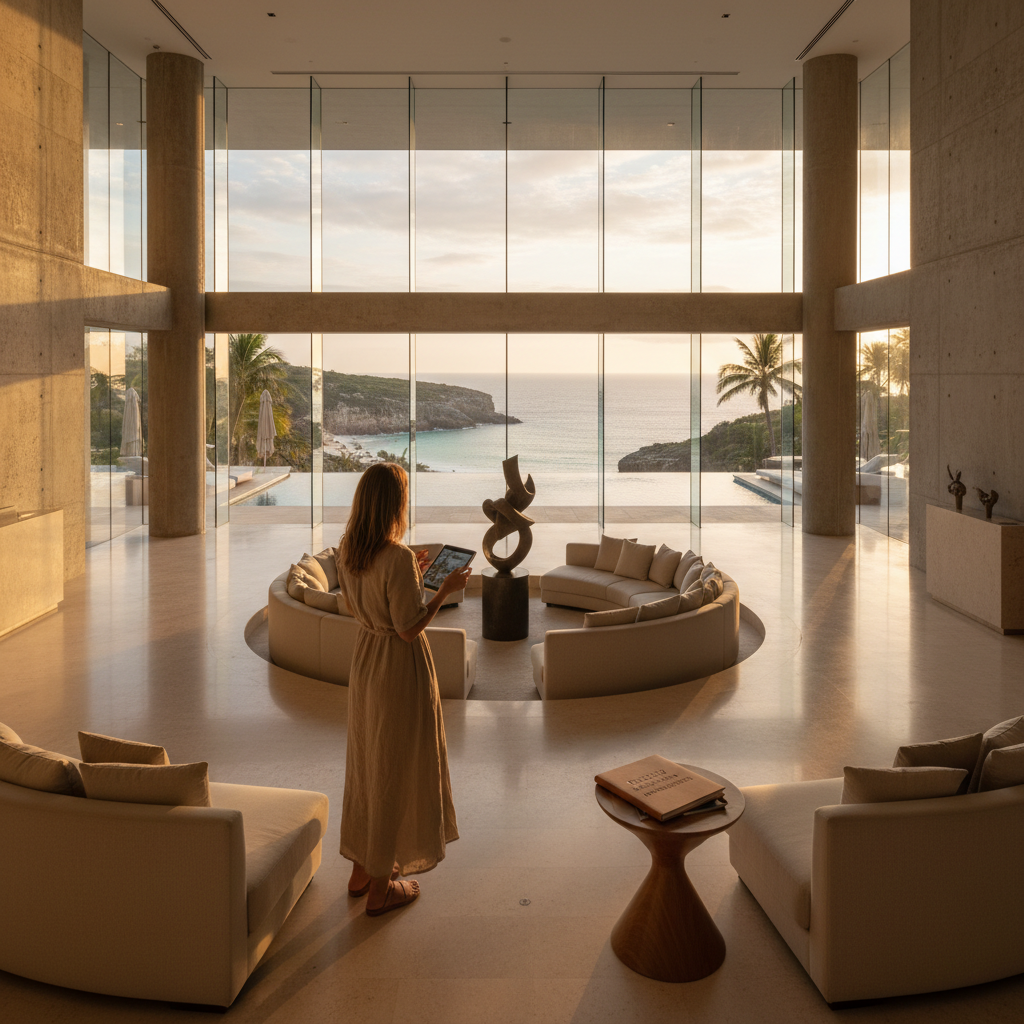
Illustrative image
Hotels & LodgesThe Discerning Traveller's Guide: Selecting a Luxury Hotel for Design and Calm
Fact-checked as of 11 October 2026
For many, the essence of true luxury travel lies not merely in opulence, but in the deliberate curation of an environment that fosters both aesthetic pleasure and profound serenity. This pursuit becomes particularly nuanced when seeking a hotel where design and calm are not afterthoughts, but foundational principles. As guardians of exceptional experiences, Only5Star understands that discerning travellers require more than lavish amenities; they seek spaces that resonate, inspire, and tranquilise.
This guide is for those who understand that true escape is found in the meticulous details, the considered silence, and the visual harmony of their surroundings. We will navigate the often-murky waters of hotel selection, providing frameworks and criteria to help you how to choose a luxury hotel when you care about design and calm.
Defining 'Design' and 'Calm' in a Luxury Context
Before embarking on selection, it’s crucial to establish what we mean by 'design' and 'calm' within the rarefied atmosphere of truly exceptional hotels.
The Nuance of Design
Design, in this context, transcends mere decoration. It is an intentional philosophy encompassing architecture, interior aesthetics, spatial flow, and the tactile experience of materials. It speaks to:
- •Architectural Integrity: Does the building complement its environment or assert a jarring presence?
- •Materiality: The choice of natural stone, bespoke timber, fine fabrics – their authenticity and sensory impact.
- •Spatial Harmony: The thoughtful arrangement of rooms, public areas, and transitional spaces to promote ease and visual pleasure.
- •Lighting: Natural and artificial light employed not just for illumination, but to create mood, highlight features, and define intimacy.
- •Art and Object Placement: Curated pieces that enhance, rather than overwhelm, the space, reflecting a coherent artistic vision.
Good design is often subtle, creating an atmosphere that feels effortless and instinctive, rather than overtly trying to impress.
Cultivating Calm
Calm is equally multifaceted. It is the absence of agitation, but also the presence of restorative qualities. This translates experientially as:
- •Acoustic Serenity: Effective soundproofing, thoughtful placement away from internal or external disruptions, and a prevailing sense of quietude.
- •Personal Space: Generous proportions in rooms and public areas, ensuring privacy and preventing a feeling of crowding.
- •Service Delivery: Discreet, anticipatory service that smooths transitions and fulfils needs without intrusion.
- •Natural Integration: Views of nature, access to gardens, or the gentle sound of water features, fostering connection to the outside world.
- •Mindful Programming: Experiences that encourage relaxation and introspection, from curated wellness offerings to quiet reading nooks.
A hotel that suits your sensory preferences may feel restful; design alone cannot guarantee relaxation or health benefits.
Common Missteps in Selecting for Design and Calm
Even seasoned travellers can falter in their quest for the perfectly designed, tranquil retreat. Recognising these common pitfalls is the first step towards avoiding them.
Assuming Price Equals Sophisticated Design
A high price tag is not evidence of a particular level of finish, discerning design or a calm environment. Some hotels equate luxury with overt opulence, which can translate into gilded excesses, jarring colours, or maximalist aesthetics that fight for attention rather than fostering peace. Often, true design sophistication lies in restraint and enduring elegance.
Over-Reliance on Professional Photography Alone
Hotel photography is a powerful tool, but it can be deceptive. Wide-angle lenses and expert retouching can make a small room appear expansive, or hide unflattering details. Equally, a staged photo might capture a moment but fail to convey the overall atmosphere or acoustic qualities of a space. Look beyond the initial glamour for genuine indicators of design philosophy.
Misinterpreting 'Boutique' as Inherently Calm
While many boutique hotels excel in design, the term itself doesn't guarantee calm. Some boutique properties intentionally foster a vibrant, social, or even energetic atmosphere, prioritising bustling bars and lively public spaces. If calm is paramount, a "design hotel" with a strong social emphasis might be counterproductive.
Neglecting User Reviews for Specific Keywords
Generic positive reviews about "great staff" or "nice breakfast" are insufficient. To discern design and calm, one must drill down into reviews that specifically mention aspects like "noise," "serenity," "ambience," "materials," "aesthetic," or "quiet. " Conversely, look for phrases that indicate the opposite: "busy," "loud," "stuffy," "dated," or "disjointed."
Ignoring the Hotel's Location and Context
A hotel’s immediate surroundings are critical. For a hotel beside a busy road or market, ask about glazing, sound insulation, room orientation and the timing of nearby activity rather than judging quietness from location alone. Similarly, a resort primarily catering to families might not offer the adult-oriented tranquility you seek. Consider the external environment as an extension of the hotel's offering.
Frameworks for Discerning Travellers
1. The Architectural and Interior Philosophy Lens
Start by investigating the hotel's design ethos.
- •Who designed it? Researching the architect or interior designer can reveal their signature style and whether it aligns with your preferences (e.g., minimalist, brutalist, organic, classic modern).
- •Is there a discernible style? Is it consistent throughout the property, or does it feel like a collection of disparate ideas? Cohesion is key for a truly calming and well-designed space.
- •What materials are used? Look for mentions of natural materials like wood, stone, linen, and wool. Decide whether their texture and appearance suit you; natural materials are not inherently more calming than synthetic alternatives.
- •How does it integrate with its environment? Does the design respect and enhance its location, or does it feel like it could be anywhere? Genuine integration contributes significantly to a sense of place and calm.
2. The Sensory Audit Approach
This framework encourages a 'virtual' sensory evaluation.
- •Visual: Scrutinise images not just for beauty, but for coherence. Do colours promote tranquility? Is there visual clutter? Are the views from rooms appealing and unobstructed?
- •Acoustic: While harder to assess remotely, look for indicators. Are rooms well-ventilated naturally, or will you rely on AC that might hum? Are common areas described as "lively" or "peaceful"? Are there designated quiet zones? Remote locations can still have aircraft, generators, wildlife or event noise; ask what you will hear from the particular room.
- •Tactile: Read descriptions of bedding, towels, and furnishings. Do they emphasize natural fibres and quality? The feel of a space is as important as its look.
- •Olfactory: Though difficult to pre-assess, reviews sometimes mention strong artificial scents, which can detract from calm. If fragrance bothers you, ask about fragrance-free rooms and cleaning products; natural or organic scents may still be unwelcome.
3. The Service & Privacy Metric
Exemplary service at a truly discerning hotel is often synonymous with discretion and respect for privacy, both vital for calm.
- •Staffing and Service: Ask how service is organised and which services are available during your stay. Do not infer a staff-to-guest ratio from hotel size or reviews; a ratio alone does not establish attentiveness or discretion.
- •Private Spaces: Does the property offer various nooks, private dining options, or secluded garden areas? These are critical for guests seeking solitude.
- •Anticipatory Service: The staff's ability to foresee and fulfil needs without being asked is a hallmark of truly exceptional and non-disruptive service.
4. The Scale and Flow Assessment
Consider the overall size and layout of the property.
- •Intimacy vs. Expanse: Compare room density, public-space capacity and the separation of quiet areas from restaurants and events. A small hotel is not automatically quieter; a large resort may have secluded zones.
- •Guest Journey: How does a guest move through the property? Are paths clear, uncluttered, and aesthetically pleasing? Are there bottlenecks or areas of high foot traffic that could disrupt calm?
- •Room-to-Facility Proximity: For some, being steps from the pool or restaurant is ideal; for others, a secluded room requiring a pleasant walk is preferred for peace. Match this to your personal preference.
Asking the Right Questions
When contacting a property or reading detailed descriptions, focus on these critical inquiries:
- •"What is the hotel's design philosophy, and who are the architects/designers involved?"
- •"Are there dedicated quiet zones or adults-only areas within the property?"
- •"How is sound managed in guest rooms – specifically concerning external noise and internal corridors?"
- •"What measures are taken to ensure guest privacy in public areas and accommodations?"
- •"Can you describe the materials used in the guest rooms and common areas?"
- •"What views do the most tranquil rooms offer?"
Specific questions make the hotel’s answers easier to compare. Ask for important room features and restrictions in writing.
The Path to Effortless Tranquillity
Ultimately, selecting a luxury hotel when your primary drivers are design and calm requires a departure from superficial metrics. It demands an appreciation for subtlety, a keen eye for detail, and an understanding that true luxury often whispers rather than shouts. By employing a structured approach, examining beyond the pristine surface, and trusting your informed sensibilities, you can discover those rare havens where exceptional design cradles profound calm, creating an experience that truly nourishes the soul.
Part of Our Guide