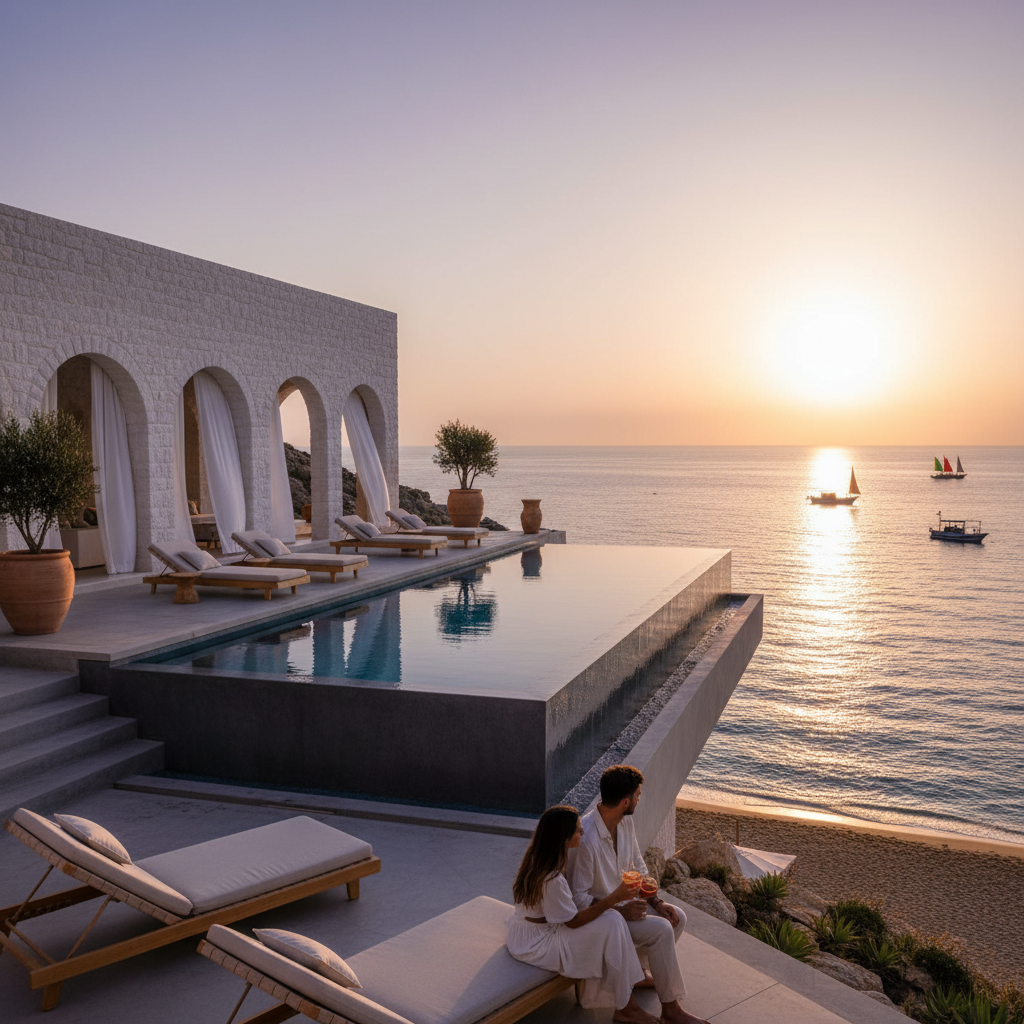
Illustrative image
Hotels & LodgesBoutique vs. Big Brand Luxury Hotels: A Design-Led Perspective
Fact-checked as of 15 October 2026
For the discerning traveller, the choice between a boutique property and a flagship luxury brand is more than a matter of room rates; it is a fundamental decision about the nature of the experience and the design sensibilities that shape it. At Only5Star, our focus remains on the exceptional, the curated, and the truly memorable. This often leads us to consider how the scale and operational ethos of a hotel subtly, yet profoundly, influence the guest's perception of "luxury." We explore which type of property ultimately feels better, particularly for those who prioritise design, privacy, and an authentic sense of place.
The Defining Distinctions
Treat “boutique” as a description to investigate, rather than a guarantee of ownership, size or service. It is not the opposite of belonging to a major hotel group: Marriott’s Autograph Collection describes independent hotels with boutique hospitality, while participating in Marriott Bonvoy. Compare the individual property. Autograph Collection’s description.
Boutique Hotels
For this comparison, we use boutique to mean the small-scale, distinctive feel a traveller may be looking for. Check actual room count, shared spaces, ownership or brand affiliation and facilities rather than inferring them from that label.
Big Brand Luxury Hotels
A brand name may help you find a familiar booking channel or hotel collection, but it does not establish a particular room size, architectural style, service level or list of amenities. Read the property-specific details before deciding what the name means for your stay.
Design Ethos: The Soul of the Stay
For us, design is not merely aesthetics; it is the silent language of a hotel, shaping atmosphere, guiding experience, and expressing its unique identity.
Boutique Hotels: A Narrative in Design
Our editorial attraction is to a coherent design idea: rooms, art and public spaces that feel considered together. Look for specific information about the architect, materials and artwork if those matter to you. Do not assume that materials are local or art is unique simply because the hotel uses the word boutique.
For privacy, investigate sightlines, room position, event spaces and access by non-residents. A low room count does not establish quietness or exclusive use.
Big Brand Luxury Hotels: Grandeur & Consistency
If a familiar style appeals, compare actual photographs and floorplans across your shortlist. We would not assume every hotel in a large group looks alike or lacks local character. Equally, confirm every facility you intend to use, including restaurant choices, spa access and meeting space; a brand does not guarantee them at every address.
Service: What to Ask Before Booking
Service is part of how a hotel feels, but ownership and size cannot establish how a particular stay will unfold. Describe the arrangements you need and seek clear answers, rather than expecting a label to guarantee anticipatory attention.
Smaller-Scale Service: Questions to Ask
If you want a host-like approach, ask who can help before arrival, what is staffed overnight and whether dining or activity requests need notice. Personal attention is a preference to assess, not a proven consequence of a small guest count.
Larger-Scale Service: Questions to Ask
If comprehensive support matters, check concierge hours, room-service availability, accessibility assistance and the arrangements for late arrival. A large hotel may be a candidate for these needs, but verify them individually instead of assuming flawless or uniform execution.
The Overall 'Feel': Which Truly Feels Better?
The ultimate arbiter is the feel of the place – that ineffable quality that resonates with one's individual preferences.
The Boutique Feel: An Editorial Preference
For travellers who enjoy a distinctive atmosphere and design details, we favour hotels that can explain their particular story and show it in the rooms and shared spaces. This is a matter of taste; boutique branding alone does not establish authenticity, creative freedom or a more memorable stay.
The Big Brand Feel: An Editorial Preference
Some travellers prefer a familiar collection and a property with a broad range of facilities. That is a reasonable preference, but it still needs a room-level and service-level comparison. We would not promise predictable excellence in every location.
Choose This If...
Choose a Design-Led, Smaller-Scale Stay If:
- •Its actual architecture and interiors appeal to you
- •The room layout and shared spaces provide the atmosphere you want
- •You are comfortable with its documented facilities and service hours
- •You prefer this particular hotel’s style to the alternatives
Choose a Larger or Familiar-Brand Stay If:
- •Its actual facilities suit your itinerary
- •You value a booking or loyalty arrangement whose terms fit your stay
- •Its location, room and service arrangements meet your needs
- •You prefer the atmosphere shown by this particular property
Our Recommendation
Our editorial preference is for distinctive design and a setting that feels personal. That can be found in different ownership and brand structures. Choose the hotel whose documented room, facilities and arrangements fit you, rather than declaring one category inherently more soulful or better serviced.
Continue Reading
For a practical example of room-level comparison, see Thailand private-pool resorts for couples.
Sources checked
Part of Our Guide