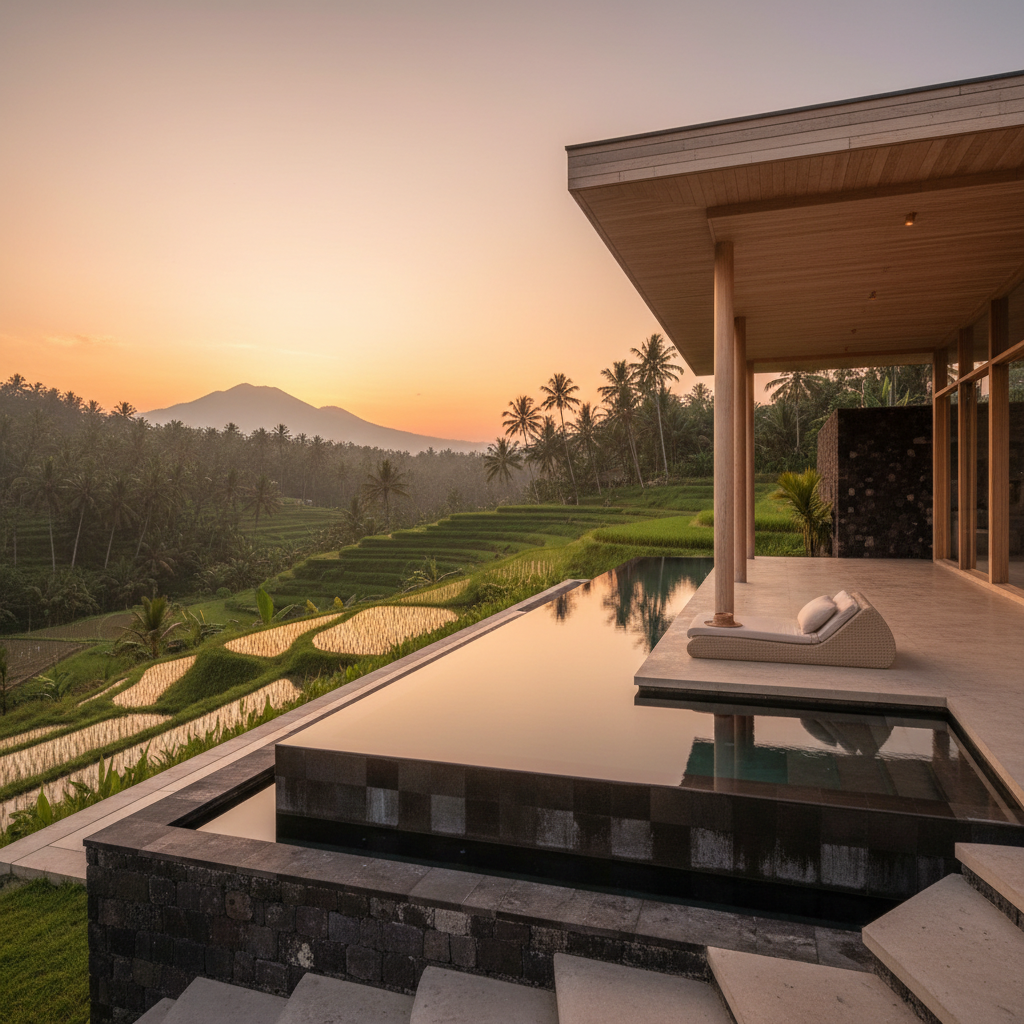
Minimalist Design Hotels in Bali for Discerning Travellers
Bali, an island often synonymous with elaborate carvings, vibrant textiles, and traditional grandeur, presents a different kind of luxury for those who seek it: one defined by intentional restraint and refined simplicity. Here, true luxury is not about ostentation, but about the profound quality of space, the purity of materials, and the seamless integration of design with the island's inherent tranquility. For the discerning traveller, the aesthetic preference shifts from the ornate to the understated, focusing on environments that promote calm reflection rather than visual assault.
The allure of minimalist design in Bali lies in its ability to distil the essence of the island's beauty without overwhelming it. It’s an approach that celebrates negative space, allowing the textures of natural wood, polished concrete, and local stone to speak for themselves. The considered placement of light, the deliberate absence of clutter, and the emphasis on clean lines and functional elegance create an atmosphere of profound serenity. In a destination often bustling with energy, these sanctuaries offer an antithesis – a peaceful refuge where design serves as a silent partner to relaxation and rejuvenation. This is where Bali transcends the expected, offering havens for those who understand that true sophistication often whispers, it does not shout.
For the connoisseur of design, selecting a hotel in Bali isn't merely about finding a place to sleep; it’s about choosing a curated environment that resonates with one's aesthetic sensibilities. It's about experiencing how thoughtful architecture and interior design can elevate a stay, turning a trip into an immersive encounter with beauty and calm. The properties we've selected embrace this philosophy, offering more than just lodging – they offer an experience in refined living, where every detail, from the choice of linen to the placement of natural light, contributes to an overarching sense of peaceful elegance. These are the spaces where the renowned artistry of Bali finds a contemporary, often quiet, expression, proving that less can, indeed, be significantly more.
Curated Selections: Bali's Minimalist Design Sanctuaries
For those who appreciate the poetry of clean lines and understated elegance, Bali offers exceptional properties where design takes precedence. Our selections embody a sophisticated simplicity, foregoing unnecessary embellishments for spaces that feel both expansive and intimately personal.
The Slow, Canggu
Conceived as a 'tropical brutalist' escape, The Slow in Canggu masterfully blends concrete, local woods, and rattan with a raw, organic feel. Each suite is a testament to minimalist living, featuring bespoke furniture, floor-to-ceiling windows that invite natural light, and an art collection that rotates, ensuring a fresh aesthetic experience with each visit. The deliberate rawness of the materials is softened by lush internal gardens and subtle lighting, creating a warm, inviting atmosphere despite its starker architectural elements. The emphasis here is on texture and form, allowing the inherent beauty of the materials to shine unburdened by excessive decoration. The central restaurant and gallery spaces extend this philosophy, offering a holistic environment where art, food, and design coalesce.
Desa Potato Head Studios, Seminyak
Desa Potato Head redefines the concept of a resort, positioning itself as a creative village rather than a mere hotel. The Studios, in particular, champion a sustainable, minimalist aesthetic rooted in locally sourced and innovative recycled materials. Designed with modularity and flexibility in mind, the interiors feature clean lines, muted colour palettes, and an intelligent use of space, allowing guests to tailor their environment. The commitment to zero-waste practices is seamlessly integrated into the design, from refillable amenities to furniture crafted from recycled plastics. Each studio feels like a personal gallery of thoughtful design, providing a serene counterbalance to Seminyak's energetic pulse. It is a compelling example of how impactful design can be both aesthetically rigorous and environmentally conscious.
Katamama, Seminyak (now Potato Head Suites & Studios)
While now integrated into the larger Potato Head ecosystem, Katamama, originally conceived as a stand-alone entity, set the benchmark for handcrafted luxury and minimalist design. Constructed almost entirely from over a million hand-pressed Indonesian bricks, its architecture is a tribute to traditional local craftsmanship reinterpreted through a modern lens. The interiors are a masterclass in understated elegance, featuring custom-made furniture, natural textiles, and thoughtfully curated Indonesian art. The spaces are expansive and uncluttered, allowing the rich textures of the materials and the meticulous detailing to take centre stage. It offers a calm, sophisticated sanctuary, with a palpable sense of place achieved through an uncompromising commitment to local heritage and contemporary form.
Alila Villas Uluwatu
Perched on a cliff edge with dramatic ocean views, Alila Villas Uluwatu is an architectural marvel that prioritizes clean lines, open spaces, and natural light. Designed by WOHA, the villas embody a contemporary Balinese aesthetic with a strong minimalist current. The use of volcanic rock, bamboo, and local timber creates a grounding connection to the landscape, while the geometric forms and infinity pools blurring into the horizon convey a sense of calm grandeur. Interiors are characterised by an uncluttered elegance, featuring simple, high-quality furnishings, generous expanses of glass, and a monochromatic palette punctuated by natural textures. The intention is to draw the eye outwards, making the spectacular natural environment an integral part of the design experience, offering a profound sense of peace and privacy.
Capella Ubud, Bali
While perhaps a departure from strict urban minimalism, Capella Ubud’s refined camp aesthetic embraces an intelligent form of 'natural minimalism' within a jungle setting. Designed by Bill Bensley, each tented villa offers a deeply private and atmospheric experience, where the opulence lies in the quality of unique bespoke furnishings, antique Balinese artefacts, and the seamless integration with the surrounding rainforest. The 'minimalist' aspect emerges in the careful curation of elements and the absence of superfluous decoration; every item feels purposeful, contributing to a narrative rather than clutter. The focus is on tactile materials, rich textures, and the interplay of light and shadow, creating spaces that feel both grounded and exquisitely appointed, allowing the raw beauty of the environment to remain the true spectacle.
Munduk Moding Plantation, North Bali
In the cooler, more serene climes of North Bali, Munduk Moding Plantation offers an immersion in nature with architecture that thoughtfully complements its mountainous surroundings. The design here leans into a 'barefoot luxury' minimalism, where the beauty lies in natural materials, open-plan living, and panoramic views. Villas feature expansive windows, local timber, and stone, with interiors that favour clean lines and functional elegance. The aesthetic prioritizes comfort and an unpretentious connection to the coffee and spice plantations that envelop it. It’s a design philosophy that champions simplicity, allowing the dramatic landscape and the quiet luxury of space to define the experience. The iconic infinity pool, seemingly suspended between forest and sky, perfectly encapsulates this blend of understated design and breathtaking natural beauty.
Best Time to Visit
The optimal time to experience Bali's distinct blend of cultural richness and serene design is during the dry season, from April to October. During these months, skies are typically clear, humidity is lower, and rainfall is minimal, providing ideal conditions for exploring the island and enjoying the tranquil environments of these design-forward properties. July and August are peak tourist months, so for a slightly quieter experience, consider visiting in April, May, June, or September. These shoulder months still offer excellent weather but with fewer crowds, allowing for a more intimate engagement with Bali's natural beauty and its sophisticated design offerings.
Who This Destination Is For
Bali, particularly through the lens of its minimalist design hotels, is for the discerning traveller who values sophisticated aesthetics, privacy, and an elevated sense of calm. It appeals to:
- •Design Aficionados: Those who appreciate intentional architecture, thoughtful interior design, and bespoke elements that elevate a space beyond mere accommodation.
- •Aesthetes Seeking Serenity: Individuals who find luxury in simplicity, clean lines, and uncluttered environments that encourage relaxation and mental clarity.
- •Couples and Solo Travellers: The intimate scale and considered design of these properties often lend themselves well to romantic getaways or peaceful solo retreats.
- •Conscious Travellers: Many of these properties integrate sustainable practices and local craftsmanship, appealing to those who seek experiences that are both refined and responsible.
- •Seekers of Curated Experiences: Rather than generic resorts, these travellers prefer properties that offer a distinctive sense of place and a highly specific vision of hospitality.
These hotels are less about flamboyant shows of wealth and more about the quiet confidence of exquisite taste, offering a sanctuary for those who understand that true luxury often resides in the subtle details and the quality of one's surroundings.
Part of Our Guide